
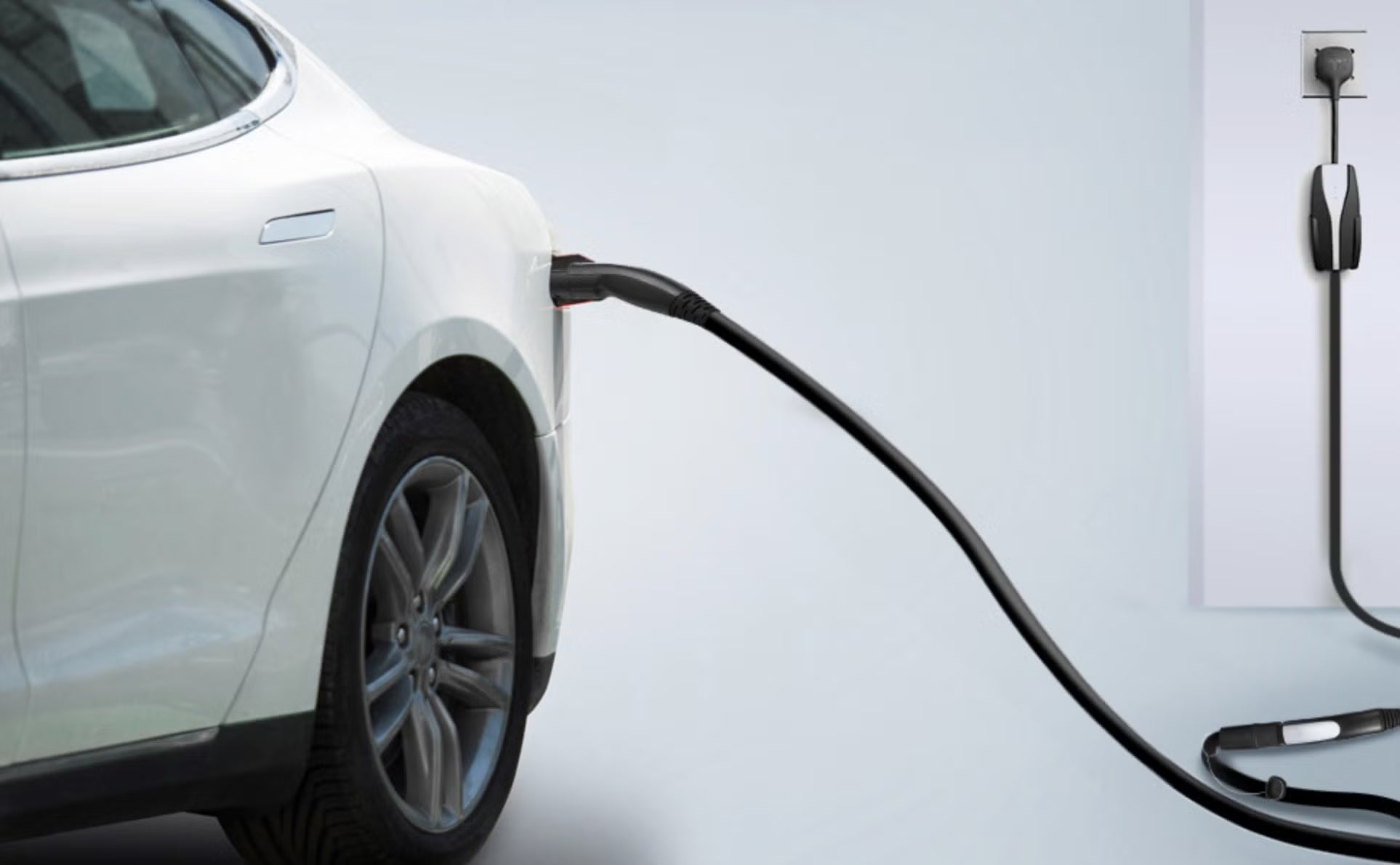
1. Introduction to Car Charging Stations
Electric vehicles are ontogenesis speedily in popularity, and so is the need for convenient charging options. Car charging stations are now available in municipality areas, highways, malls, and even workplaces. Unlike orthodox gas stations, EV charging requires understanding the type of courser, connection hurry, and defrayal system of rules. A well-planned charging scheme is essential to ascertain that your EV never runs out of major power mid-journey.
2. Types of EV Charging Stations
EV charging Stations generally fall into three main categories:
Level 1 Chargers Standard home outlets(120V). Slow charging, typically adding 3 5 miles of range per hour. Ideal for all-night home charging.
Level 2 Chargers Found in populace locations and homes(240V). Faster, adding 20 30 miles of range per hour. Widely used in shopping centers and workplaces.
DC Fast Chargers(Level 3) High-speed chargers, often installed along highways. Can supply 60 80 miles of straddle in just 20 proceedings, hone for long trips.
Understanding these types helps users plan both short-circuit daily commutes and long-distance trip expeditiously.
3. Locating Charging Stations
Finding a charging station is easier nowadays thanks to denary apps and map services. Popular platforms let in:
PlugShare Offers user reviews, photos, and elaborate post selective information.
ChargePoint Provides real-time accessibility and payment options.
Tesla Supercharger Network Exclusive to Tesla vehicles, with fast charging and seafaring desegregation.
Most stations are set in parking lots, commercial message centers, and highways. Urban areas in the main have thick networks, while geographic area areas may want pre-planning to avoid straddle anxiousness.
4. Pricing Models and Costs
Charging vary depending on the post type, emplacemen, and supplier:
Home Charging Cost depends on local rates. Typically cheaper than populace stations.
Public Charging Can be per kWh, per hour, or flat sitting fee. Some Stations volunteer free charging to pull in customers.
Subscription Plans Some networks offer every month memberships for frequent users, often reduction the per-session cost.
For example, Level 2 public chargers may cost 0.20 0.40 per kWh, while DC fast chargers can straddle from 0.30 0.60 per kWh, with some insurance premium Stations of the Cross charging higher rates.
5. Reviews and Ratings
Customer reviews supply worthful insights into dependability and . Common review points include:
Availability How often are chargers in use?
Speed Does the station deliver advertised charging zip?
Maintenance Are chargers usefulness and strip?
Accessibility Easy to strive parking spots and matched with aggregate vehicle models.
Highly rated stations are often set at shopping centers, hotels, and rest areas with triple chargers.
6. Factors to Consider When Choosing a Charging Station
When selecting a charging post, consider:
Charger Type Compatibility Ensure your EV supports the station s plug type.
Charging Speed Faster chargers save time but may cost more.
Cost Compare prices across networks.
Station Amenities Wi-Fi, food, restrooms, and safety can enhance the undergo.
User Feedback Check reviews for dependability and potency issues.
7. Tips for a Smooth Charging Experience
Plan routes with available chargers in mind.
Charge during off-peak hours for turn down costs.
Keep ten-fold apps to check real-time send accessibility.
Carry necessary ev charge stations cables if the post doesn t cater them.
8. Future Trends in EV Charging
The EV charging ecosystem is evolving quickly:
Ultra-Fast Charging Reducing charging multiplication to under 10 transactions.
Wireless Charging Eliminating cables entirely for convenience.
Integration with Renewable Energy Using star-powered stations for property charging.
Smart Charging Networks Apps that optimize cost and availability mechanically.
These trends promise to make EV charging more favourable, stinting, and environmentally amicable.
9. Conclusion
Understanding locations, prices, and reviews of car charging stations is necessity for any EV owner. With a variety show of charging options, pricing models, and user experiences, planning in the lead ensures a stress-free and cost-effective journey. As charging infrastructure continues to grow and improve, owning an electric car vehicle is becoming more practical than ever.